Daily Planner Templates: Minimal Daily for a Clearer Day
There's a particular kind of frustration that comes from a planner that feels more chaotic than your schedule. You open it, ready to seize the day, only to be met with a cluttered grid, distracting graphics, or a rigid structure that simply doesn't fit how your mind works. For designers, entrepreneurs, and creators, whose days are a fluid mix of deep work, client calls, and personal errands, this disconnect is more than an annoyance—it's a productivity blocker. The tool meant to bring order instead adds friction. This is the exact problem that the Daily Planner Templates, Minimal Daily collection was built to solve.
The Anatomy of a Truly Minimalist Daily Planner
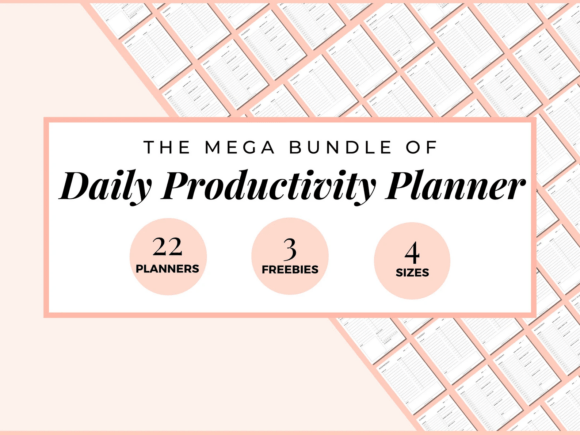
At its core, the Minimal Daily system is an exercise in strategic reduction. It’s not about removing features, but about removing noise. Visually, each template in the digital pack employs generous white space, clean sans-serif typography, and a muted, professional color palette. There are no superfluous icons or decorative borders competing for your attention. The personality is calm, focused, and intentionally understated. This isn't a planner that shouts; it's one that provides a quiet, reliable framework for your thoughts and tasks. Its style leans into modern typography principles, where every element serves a purpose, reinforcing the idea that a well-designed typeface and layout can directly influence mental clarity.
This approach makes it a standout daily organizer template for 2025-23. It acknowledges that the most effective planning isn't about rigid hourly blocks for everyone, but about creating a flexible space that adapts. The undated format is a key part of this flexibility, allowing you to start a new project, resume after a break, or plan a non-traditional work week without wasting a single page. It’s a design asset that respects the unpredictable nature of creative and entrepreneurial life.
Beyond the Page: Where This Planner System Shines
While the primary function is personal organization, the design principles behind these Daily Planner Templates have significant crossover appeal. Consider its use in a professional context:
- For Brand Strategists & Designers: The minimalist aesthetic is a perfect blank slate. It can be used to sketch out client project timelines, plan content calendars for social media graphics, or outline the steps of a logo design process without visual clutter influencing the brainstorm. Its clean look mirrors the kind of modern typography and brand identity work many of us produce.
- For Marketers & Content Creators: The integrated structure for both work and personal tasks is invaluable. You can map out a blog post schedule, track campaign metrics, and still have dedicated space to plan a workout or a family dinner. This holistic view supports a sustainable creative pace, preventing burnout by making personal priorities a visible part of the day.
- For Small Business Owners & Entrepreneurs: The planner acts as a central command center. It’s where you jot down that supplier call, plan inventory for your Etsy shop, and block time for financial reviews. The undated format means it’s always ready, whether you’re in a growth sprint or a reflective planning phase. Its professionalism is subtle but effective, much like a well-chosen sans serif font in a business presentation.
The templates are designed for print and digital use, making them as functional on a tablet with a stylus as they are in a printed binder. This versatility is a practical consideration often overlooked in planning tools.
Practical Guidance: Choosing and Using Your Planner Templates
Adopting any new system requires a bit of evaluation. Here’s how to get the most out of the Minimal Daily collection:
- Evaluate the Fit: Before printing the entire pack, look at the different page layouts included. Does your day require more open space for notes, or do you thrive with structured to-do lists? The collection likely includes variations—take a moment to match the template to your dominant daily rhythm. This is similar to reviewing the included styles of a premium font before purchasing.
- Test the Pairing (With Your Workflow): A planner’s success hinges on how it integrates with your other tools. Do you use a digital calendar for meetings? Then the Minimal Daily template should be your space for task management and priorities. Think of it as a font pairing exercise: the planner and your calendar should complement each other, not compete.
- Readability is Key: The templates use clear, legible typography. When you print them, use quality paper and ensure your printer settings don’t shrink the layout excessively. The goal is effortless readability, which reduces cognitive load—a core benefit of a well-designed display font or, in this case, a display planning system.
- Understand the License: These are commercial font and design assets. The licensing for the digital pack is typically for personal use. If you’re a coach, consultant, or agency considering using these templates as part of a client deliverable or within a digital product you sell, you must review the specific licensing terms. Using a creative font or template outside its license is a common pitfall to avoid.
The true power of the Minimal Daily Planner Templates lies in their ability to fade into the background, allowing your own priorities and tasks to come into sharp focus. They provide the structure without the dogma, the framework without the rigidity. In a world saturated with over-designed productivity tools, this collection’s strength is its confident restraint. It’s a practical design asset for anyone who believes that clear planning is the first step toward meaningful execution, offering a tangible way to navigate your day with intention and clarity.