Modern Vector Illustrations for Web and Mobile Design
In the crowded digital space, a generic stock photo no longer cuts it. Whether you are a startup founder pitching investors, a marketer building a landing page, or a designer crafting a mobile interface, you need visuals that communicate complex ideas instantly. That is where high-quality vector design assets come into play. We are looking at a specific set of resources: Web Page Design Templates for Industry, Teamwork, Business Strategy, Analytic and Presentation. These are not just random graphics; they are modern vector illustration concepts specifically engineered for website and mobile website development.
The Power of Flat Design and Visual Hierarchy
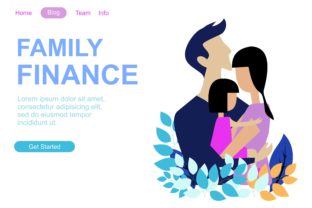
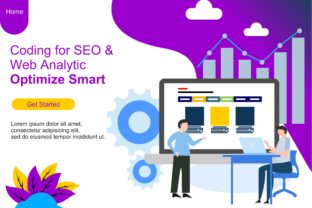
The personality of this collection is defined by its modern, flat aesthetic. You won't find the glossy, 3D bevels of the early 2000s here. Instead, expect clean lines, geometric shapes, and a vibrant yet professional color palette. This style of modern typography and illustration works because it is abstract enough to represent complex concepts—like "workflow automation" or "data synergy"—without being overly literal. The characters and objects often lack distinct facial features, which is a deliberate choice. It makes the illustration concepts inclusive; anyone can project themselves into the scene.
For web design, this visual language is gold. It establishes a clear visual hierarchy. When you place a "Teamwork" vector next to a headline on a landing page, the user’s eye is drawn immediately to the interaction between the figures, then to the text. The consistency of the line weight and color scheme across the "Industry" and "Analytics" sets ensures that your website feels cohesive, even if you are mixing and matching different scenes. This consistency is vital for building brand identity. When a user scrolls from your homepage to your "About Us" page, the visual language remains fluent, signaling professionalism and attention to detail.
Practical Application: From Pitch Decks to Mobile UI
The true value of these design assets lies in their versatility. Because they are vectors, they scale infinitely without losing quality. This is critical for responsive design. A "Business Strategy" graphic that looks sharp on a 27-inch monitor will look equally crisp on a 5-inch smartphone screen. There is no pixelation, no blurry edges—just clean geometry.
Let’s break down where these assets shine:
- Presentation Design: We have all sat through PowerPoint hell. Using these vectors transforms a pitch deck. Instead of bullet points about "Market Analysis," you can use the "Analytic" vector to visualize data flow. It adds a layer of professionalism that text alone cannot achieve.
- Mobile App Development: Onboarding screens are notoriously difficult to design. You need to explain features quickly. These illustrations act as visual metaphors. A vector showing a person interacting with a gear instantly explains "Settings" or "Customization" without a single word of copy.
- Social Media Graphics: Content creators and bloggers need scroll-stopping visuals. These illustrations are perfect for Instagram carousels or Twitter headers explaining a new workflow. The flat design style trends well on social platforms because it feels fresh and uncluttered.
- Editorial Design: If you are a publisher or running a digital magazine, these vectors break up long blocks of text. They provide "breathing room" for the reader and reinforce the article's theme visually.
Technical Flexibility: Working with EPS and JPG
A major pain point for entrepreneurs and hobbyists alike is file compatibility. Nothing is worse than buying a design asset only to find you can't open it. This collection solves that problem by providing two industry-standard file types: JPG and EPS.
The JPG files are ready to go. If you are a small business owner updating your WordPress site or a crafter making a quick flyer, you can drag and drop these immediately. They are high-resolution and optimized for web use, ensuring your site speed isn't negatively impacted.
The EPS files are where the magic happens for designers. EPS (Encapsulated PostScript) is a vector format that is universally compatible with professional software like Adobe Illustrator, CorelDRAW, and Affinity Designer. This is the format you need if you want to change the colors to match your specific brand identity. You can deconstruct the "Teamwork" illustration, move the figures around, or isolate a single element to use as a logo icon. It gives you total control over the creative font and graphic ecosystem.
Influencing Brand Perception and Engagement
Why does this matter for your bottom line? Visuals drive trust. In the realm of digital marketing, a polished look suggests a polished product. If your website uses amateurish, pixelated graphics, users subconsciously question the quality of your service. By integrating high-quality vector graphics related to "Industry" and "Strategy," you signal that you are a serious player in your field.
Furthermore, these illustrations help with audience engagement. Humans process visual information 60,000 times faster than text. When a user lands on your page, they scan for visual cues before they read a single headline. The "Analytic" and "Presentation" vectors serve as those cues, guiding the user through the narrative of your site. They break down complex barriers, making technical services feel more accessible and friendly.
Final Thoughts on Integration
When incorporating these assets, remember that less is more. Do not clutter your UI. Use the "Business Strategy" vector to highlight a specific call-to-action or to illustrate a key benefit of your service. Ensure the style of the illustration matches the tone of your typeface. These modern, flat vectors pair exceptionally well with geometric sans serif fonts (like Montserrat or Roboto) but can also provide a nice contrast to a clean serif font for a more editorial feel.
Ultimately, this collection is about saving time while elevating quality. It bridges the gap between a raw idea and a finished, professional product, allowing you to focus on your strategy rather than struggling with design tools.